Can You Wax Chrome Wheels?
Chrome wheels are a popular choice for car enthusiasts due to their shiny and reflective surface.
However, maintaining the luster of chrome wheels can be a challenge. One common question that arises is whether it’s safe to wax chrome wheels.
Chrome wheels can be waxed to enhance their shine and protect against corrosion. Select a non-abrasive metal wax, clean the wheels, apply wax evenly, then buff for a lustrous finish. Regular waxing preserves chrome wheels’ aesthetics and durability.
In this guide, we’ll explore the benefits of waxing chrome wheels, how to properly wax them, and some common mistakes to avoid.
Can You Wax Chrome Wheels?
Certainly, waxing chrome wheels involves applying a specialized wax product to the surface of the wheels to achieve multiple objectives.
The primary purpose is to enhance the wheels’ aesthetic appeal by imparting a deep and reflective shine.
Additionally, waxing forms a protective barrier against environmental contaminants such as dirt, grime, and road salts, thereby helping to prevent corrosion and deterioration of the chrome finish.
Regular waxing not only keeps chrome wheels looking their best but also facilitates easier cleaning in the future.
It’s essential to follow the manufacturer’s instructions and avoid using abrasive materials, as they can scratch or damage the chrome finish.
Properly executed, waxing chrome wheels contributes to their longevity and preserves their visual appeal.
Benefits of Waxing Chrome Wheels
Waxing chrome wheels provides several benefits, including:
Protection from Environmental Elements
Chrome wheels are susceptible to damage from environmental elements like dirt, dust, and road salt. Waxing your chrome wheels creates a protective barrier that shields them from these elements, preventing damage and corrosion.
Easier Cleaning
Waxing your chrome wheels makes it easier to clean them. The wax creates a smooth surface that repels dirt and grime, making it easier to wash them off.
Improved Appearance
Waxing your chrome wheels enhances their appearance by giving them a glossy finish. The wax fills in small scratches and imperfections, making them less noticeable.
Step-by-Step Guide on How to Wax Chrome Wheels?
Waxing chrome wheels is a simple process that can be done using the following steps:
Step 1: Clean Your Wheels
Before waxing your chrome wheels, you need to ensure that they are clean.
Use a wheel cleaner and a soft-bristled brush to remove any dirt and grime from your wheels.
Rinse them thoroughly with water and dry them with a clean towel.
Step 2: Apply the Wax
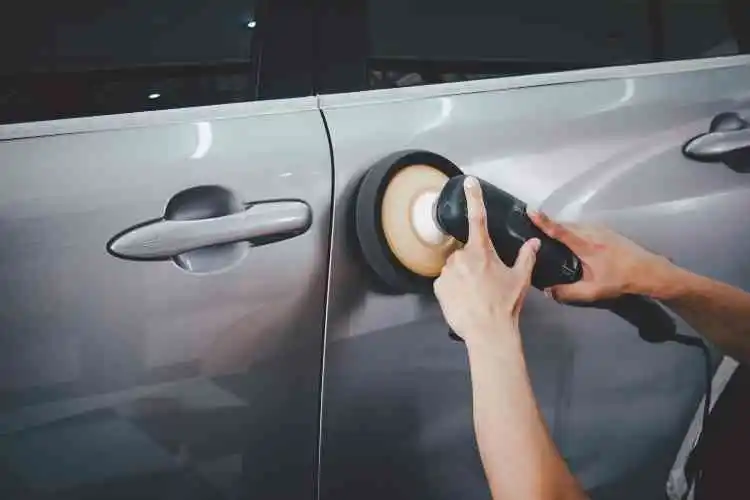
Apply a small amount of chrome wheel wax onto a foam applicator pad.
Rub the wax onto your wheels in a circular motion, covering the entire surface of each wheel.
Be sure to apply the wax evenly and avoid applying too much.
Step 3: Let the Wax Dry
Allow the wax to dry for a few minutes or until it appears hazy. This indicates that the wax has bonded with the chrome surface.
Step 4: Buff the Wax
Use a clean microfiber towel to buff the wax off your wheels. Buff in a circular motion until the wax is completely removed, revealing a shiny and glossy finish.
Common Mistakes to Avoid
While waxing your chrome wheels can provide several benefits, there are some common mistakes that you should avoid:
1. Using the Wrong Type of Wax
Using the wrong type of wax can damage your chrome wheels. Avoid using abrasive waxes or polishes that contain harsh chemicals.
Instead, use a wax specifically designed for chrome wheels.
2. Applying Too Much Wax
Applying too much wax can lead to streaks and a cloudy finish. Use a small amount of wax and apply it evenly to avoid buildup.
3. Not Letting the Wax Dry
Not allowing the wax to dry can result in an uneven finish. Be sure to let the wax dry completely before buffing it off.
4. Using the Wrong Tools
Using the wrong tools, such as a rough towel or abrasive brush, can scratch your chrome wheels.
Use a soft microfiber towel and a gentle brush to avoid damaging your wheels.
How Do You Polish Chrome Naturally?
Polishing chrome naturally involves simple methods to restore its luster. Begin by mixing equal parts of water and white vinegar to create a gentle cleaning solution.
Apply it to the chrome surface and gently scrub using a soft cloth or sponge. Baking soda, when mixed with water to form a paste, can effectively remove stubborn tarnish. Rub the paste onto the chrome, then rinse and dry thoroughly.
Olive oil or baby oil can be applied afterward to provide a protective shine. Regular maintenance using these eco-friendly techniques will sustain the brilliance of chrome surfaces.
Will Rubbing Alcohol Clean Car’s Chrome?
Yes, rubbing alcohol can effectively clean a car’s chrome surfaces. Its solvent properties aid in breaking down and removing dirt, grime, and fingerprints.
To use, dampen a soft cloth with rubbing alcohol and gently wipe the chrome areas. However, caution should be exercised on painted or plastic surfaces, as alcohol might cause damage.
A patch test is advisable. Regular use of rubbing alcohol can maintain the shine and cleanliness of a car’s chrome components.
What Is The Best Wax For Chrome?
The optimal wax for chrome surfaces is a non-abrasive, polymer-based wax. This type of wax provides a protective layer, enhancing shine while preventing tarnish and corrosion.
Regular application of such wax preserves the luster and durability of chrome, making it the preferred choice among automotive enthusiasts and professionals.
Can I Use Turtle Wax On Chrome?
Yes, Turtle Wax can be safely used on chrome surfaces. Turtle Wax offers specialized chrome and metal polishes formulated to effectively clean, polish, and protect chrome without causing damage.
These products help remove oxidation, water spots, and minor imperfections while leaving a protective barrier.
It’s advisable to follow the manufacturer’s instructions and conduct a patch test in an inconspicuous area before widespread application.
Using Turtle Wax on chrome can restore shine and maintain the appearance of the metal.
Can You Wax Chrome Wheels by Hand
Waxing chrome wheels by hand is a viable method to enhance their appearance and provide protection. Choose a non-abrasive wax formulated for metal surfaces.
Clean the wheels thoroughly before application. Apply a small amount of wax using a soft cloth, gently rubbing in circular motions.
Allow the wax to haze, then buff it off with a clean cloth. This process forms a protective barrier against elements and preserves the wheels’ shine.
Hand waxing offers precision and control, yielding satisfactory results when properly executed.
What Is the Best Wax for Chrome?
The most effective wax for chrome surfaces is a non-abrasive, metal-specific wax. Such waxes are designed to safeguard chrome against oxidation, corrosion, and environmental elements.
Look for products that offer both cleaning and protective properties. Polymer-based waxes work well, forming a durable barrier that enhances shine and longevity.
Regular application of the best-suited chrome wax preserves the metal’s aesthetics and ensures lasting protection.
Conclusion
In conclusion, waxing your chrome wheels is a great way to protect them from environmental elements, make them easier to clean, and improve their appearance.
By following the steps outlined in this guide and avoiding common mistakes, you can ensure that your chrome wheels stay shiny and lustrous for years to come.