Undercoating Vs Bedliner: Which One Should You Choose?
If you’re a car owner, you’ve probably heard of undercoating and bedliner. Both of these products are designed to protect your vehicle from rust, corrosion, and other types of damage. However, they serve different purposes and are applied to different parts of your car.
In this article, we’ll discuss the differences between undercoating and bedliner, their benefits, and which one you should choose for your car.
What is Undercoating?
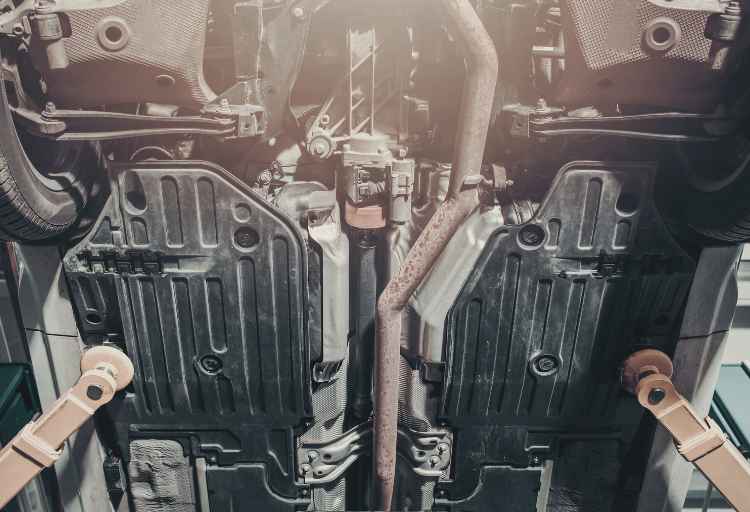
Undercoating is a protective coating that is applied to the underside of your car.
It is designed to protect the metal components of your car from rust and corrosion caused by exposure to moisture, salt, and other elements.
Undercoating is typically made of a rubberized material that adheres to the metal surface of your car and provides a barrier against moisture and other corrosive substances.
What is Bedliner?
Bedliner is a protective coating that is applied to the bed of your truck.
It is designed to protect the bed of your truck from scratches, dents, and other types of damage caused by hauling cargo.
Bedliner can be made of different materials, such as rubber, plastic, or polyurethane, and can be sprayed on or applied as a solid sheet.
The Benefits of Undercoating
Undercoating offers several benefits for your car, including:
1. Protection Against Rust and Corrosion
As mentioned earlier, undercoating provides a barrier against moisture and other corrosive substances.
This can help prevent rust and corrosion from forming on the metal components of your car, which can extend the life of your vehicle.
2. Noise Reduction
Undercoating can also help reduce the amount of noise that enters the cabin of your car.
This is because the rubberized material used in undercoating absorbs sound waves and reduces vibration.
3. Improved Resale Value
If you plan on selling your car in the future, undercoating can help improve its resale value.
This is because a car that has been undercoated is less likely to have rust and corrosion issues, which can be a major turn-off for potential buyers.
The Benefits of Bedliner
Bedliner also offers several benefits for your truck, including:
Protection Against Damage
Bedliner provides a protective layer that can help prevent scratches, dents, and other types of damage caused by hauling cargo.
This can extend the life of your truck and help maintain its appearance.
Slip-Resistance
Bedliner can also provide slip resistance, which can be especially helpful if you frequently haul items that can shift or slide around in the bed of your truck.
Customization
Bedliner is available in different colors and textures, which can allow you to customize the appearance of your truck.
This can be a great way to make your truck stand out and reflect your personal style.
Which One Should You Choose?
So, which one should you choose for your car or truck? The answer depends on your specific needs and preferences.
If you’re primarily concerned with protecting the metal components of your car from rust and corrosion, undercoating is the way to go.
This is especially true if you live in an area with harsh weather conditions, such as snow, ice, and salt.
On the other hand, if you frequently haul cargo in the bed of your truck and want to protect it from damage, a bedliner is the better option.
Bedliner can also provide slip-resistance and customization options that undercoating cannot.
It’s worth noting that you can also use both undercoating and bedliner to provide comprehensive protection for your car or truck.
For example, you can use undercoating to protect the underside of your car and a bedliner to protect the bed of your truck.
Can Bedliner Be Used As Undercoating?
Bedliner can be used as undercoating, but it’s important to note that bedliner and traditional undercoating serve slightly different purposes.
Bedliner is a protective coating commonly used to protect the bed of a truck from damage caused by heavy cargo or exposure to elements. It’s usually a thick, textured coating that provides impact resistance and prevents corrosion.
On the other hand, undercoating is a treatment applied to the undercarriage of vehicles to protect them from road salt, moisture, and other environmental factors that can cause rust and corrosion.
While bedliner can offer some level of protection as an undercoating, it might not provide the same level of coverage and protection as products specifically designed for undercoating.
What Type of Undercoating Is Best?
The best type of undercoating largely depends on factors such as the climate you live in, the road conditions you encounter, and your budget.
There are several types of undercoating available, including rubberized asphalt, oil-based, and wax-based coatings.
Rubberized asphalt undercoatings are popular for their durability and sound-dampening qualities, but they can trap moisture if not applied correctly.
Oil-based undercoatings offer excellent rust protection but can become messy over time.
Wax-based undercoatings are effective in preventing rust but might need more frequent reapplication. Ultimately, the best choice will depend on your specific needs and preferences.
Differences Between Undercoating and Bedliner
The main differences between undercoating and bedliner lie in their intended purposes and formulations.
Undercoating is designed specifically to protect the vehicle’s undercarriage from rust and corrosion caused by road salt, moisture, and debris.
It often focuses on creating a barrier against these elements. Bedliner, on the other hand, is primarily meant to protect the truck bed from heavy loads and potential damage.
It tends to be thicker and more textured to provide impact resistance.
Who Should Undercoat Their Cars and Why?
Anyone living in regions with harsh winters, where road salt is commonly used, should consider undercoating their cars.
Road salt can accelerate rust and corrosion, which can significantly impact the longevity and resale value of your vehicle.
Undercoating is also recommended for those who frequently drive on unpaved or gravel roads, as debris can cause damage to the undercarriage.
Who Should Bedliner Their Undercarriages and Why?
Bedliner is more relevant for truck owners or those who frequently use their vehicles for hauling heavy loads.
If you often transport tools, equipment, or other materials that could damage the bed, applying a bedliner to the undercarriage can provide an extra layer of protection.
Additionally, if you want a consistent appearance for your truck’s exterior and bed, bedliner can help achieve that cohesive look.
Conclusion
Undercoating and bedliner are both effective ways to protect your car or truck from damage. While they serve different purposes, they can both provide valuable benefits for your vehicle.
By understanding the differences between undercoating and bedliner, you can make an informed decision about which one is right for your specific needs.